
Broodmare Care During Pregnancy: Feeding and Management on Our Farm
When it comes to caring for pregnant broodmares, there’s no single feeding program that fits all. Every mare — and every foal — is different. Their needs depend on body condition, age, and whether they’re on pasture or hay.
Canadian horses are known for being easy keepers. They’re naturally robust, healthy, and strong, which makes caring for them a little easier.
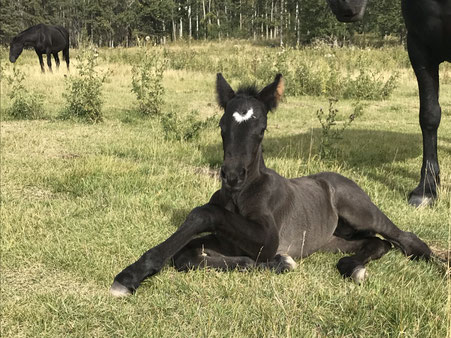
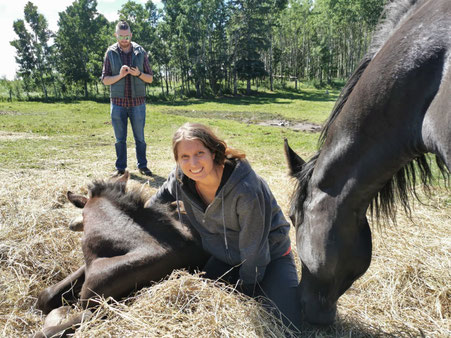
Broodmares on Pasture
Most of our mares are easy keepers and spend the majority of the year on grass pastures. Because our pastures provide rich forage and all the nutrients they need, we typically don’t supplement them with extra feed. During pregnancy, these mares stay healthy and maintain ideal condition just by grazing freely and staying active outdoors.
After weaning the foals, we move the mares onto winter pasture, where the grass is sparser. This helps them stay active and “work” a bit more for their food — a natural way to prevent weight gain and keep them in good shape going into the next breeding season.
Management of Overweight Mares That Didn't Catch
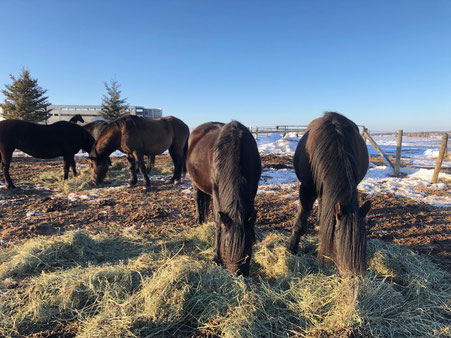
For mares that didn't catch that tend to carry extra weight, we focus on controlled feeding and natural activity. We keep all overweight mares together in a large paddock, where they have access to straw at all times. The straw keeps them occupied and promotes healthy digestion, without adding extra calories. This approach allows them to eat continuously, mimicking natural grazing behavior, while regulating their overall nutrient intake.
We avoid restrictive feeding methods, as they can cause stress or digestive upset. Instead, maintaining consistent forage availability supports a calm, healthy metabolism throughout pregnancy.
Hay Fed Broodmares
When the grass begins to thin out in the fall, the slimmer mares get a little extra support. We feed them high-quality mixed hay, often with alfalfa added for extra protein and energy. This helps them maintain good body condition through the colder months and ensures their developing foals get the nutrients they need during late gestation.
Management of Weanlings And Nutrition
We like to keep our foals with their mothers until they are 6–8 months old. We’ve found that keeping them on the mare a bit longer makes the weaning process smoother for both. However, every farm manages that different.
Sometimes foals are weaned earlier if the mare begins to lose too much weight. After weaning, all weanlings are housed together in one pen with at least one adult horse for company and social balance.
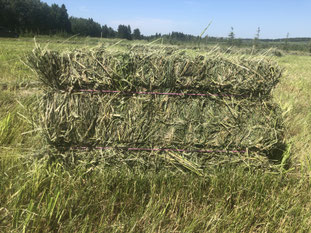
We feed our weanlings high-quality second cut hay — typically an alfalfa, orchard grass, and timothy mix with 40–50% alfalfa. If second cut isn’t available, we use high quality first cut. Hay is available free-choice, so the foals can eat as needed, supporting steady, natural growth.
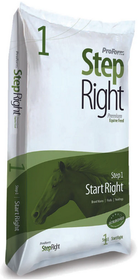
When the hay quality isn’t quite high enough for our mares and foals, we supplement with Step 1 Mares and Foals, grain, or hemp seed, depending on what’s available on our farm. Step 1 for Mares and Foals can be purchased at most feed stores and UFA locations, and it provides excellent extra nutrition when needed.
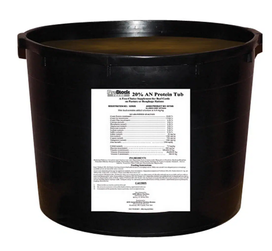
We also like to use UFA protein tubs for our weanlings or for horses that need additional fat or weight gain during the colder months.
Supplements and Special Situations
In general, we don’t rely on supplements beyond basic salt and mineral blocks. However, there are occasional exceptions. We use Step 1 for Foals and Mares in special cases — for example, if the quality of hay is not sufficient, a foal loses its mother, if a mare struggles with milk production, or if a mare is older, recovering from illness and needs additional nutritional support.
When working with foals or bringing horses into the barn, we sometimes feed small amounts of oats or hemp, but we never hand-feed them directly. This helps maintain respectful behaviour and prevents foals from developing bad habits around people and food.
Final Thoughts
Our feeding and management philosophy is simple:
Keep horses as natural as possible, observe them closely, and adjust care individually.
By paying attention to body condition, providing quality forage, and ensuring a stress-fre environment, we’ve found our mares stay healthy through pregnancy, and our foals grow up strong and well-adjusted.
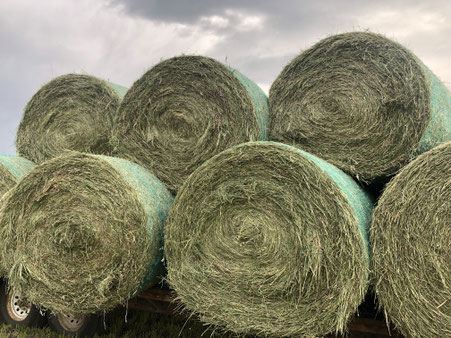
If you’re looking for hay, grain, or hemp seed, we produce both first and second cut hay in several varieties. Our farm is located in Creoma, about an hour north of Calgary, and we deliver hay to surrounding areas — up to 266 square bales per load. We also have round bales available for larger feeding setups.
Our hay blends are ideal for breeding and performance horses, including broodmares and foals, with a balanced mix of grass and alfalfa to support healthy digestion and body condition.
Let us know if you have any questions about breeding horses, mare care, foals, orphan care, or hay - we are happy to help.